


The Ultimate Guide to Turnkey Interior Fit-Out: What to Expect From Start to Finish
A considered guide for villas, offices, retail spaces and beyond
What does it mean?
A turnkey interior fit-out is an end-to-end solution where one contractor handles everything – from initial concept through construction and final handover – delivering a ready-to-use space. All design, construction, finishes, furniture, and technology are included so that “you just turn the key” to move in. Architectural design, electrical/mechanical/plumbing, flooring, lighting, security, AV, and any necessary systems are covered. The owner only needs to specify functional needs and budget; the turnkey team handles planning, permits, procurement, execution, and warranties. In effect, turnkey is a complete office solution from design to construction to furniture selection. This contrasts with phased or separate contracting, where the owner manages multiple vendors.
Project Phases & Timelines
Turnkey fit-outs typically progress through these phases:
Step 1 – Initial Consultation
This is the discovery phase. This is where you and the fit-out team get to know each other.
- Understanding: What is the space for? A high-energy tech office? A minimalist sanctuary?
- The Reality Check: A good turnkey partner will be honest about your budget and timeline from day one.
- Site Survey: They’ll measure every nook and cranny to ensure the “dream” actually fits the “square footage.”
Step 2 – Design & 3D Visualization
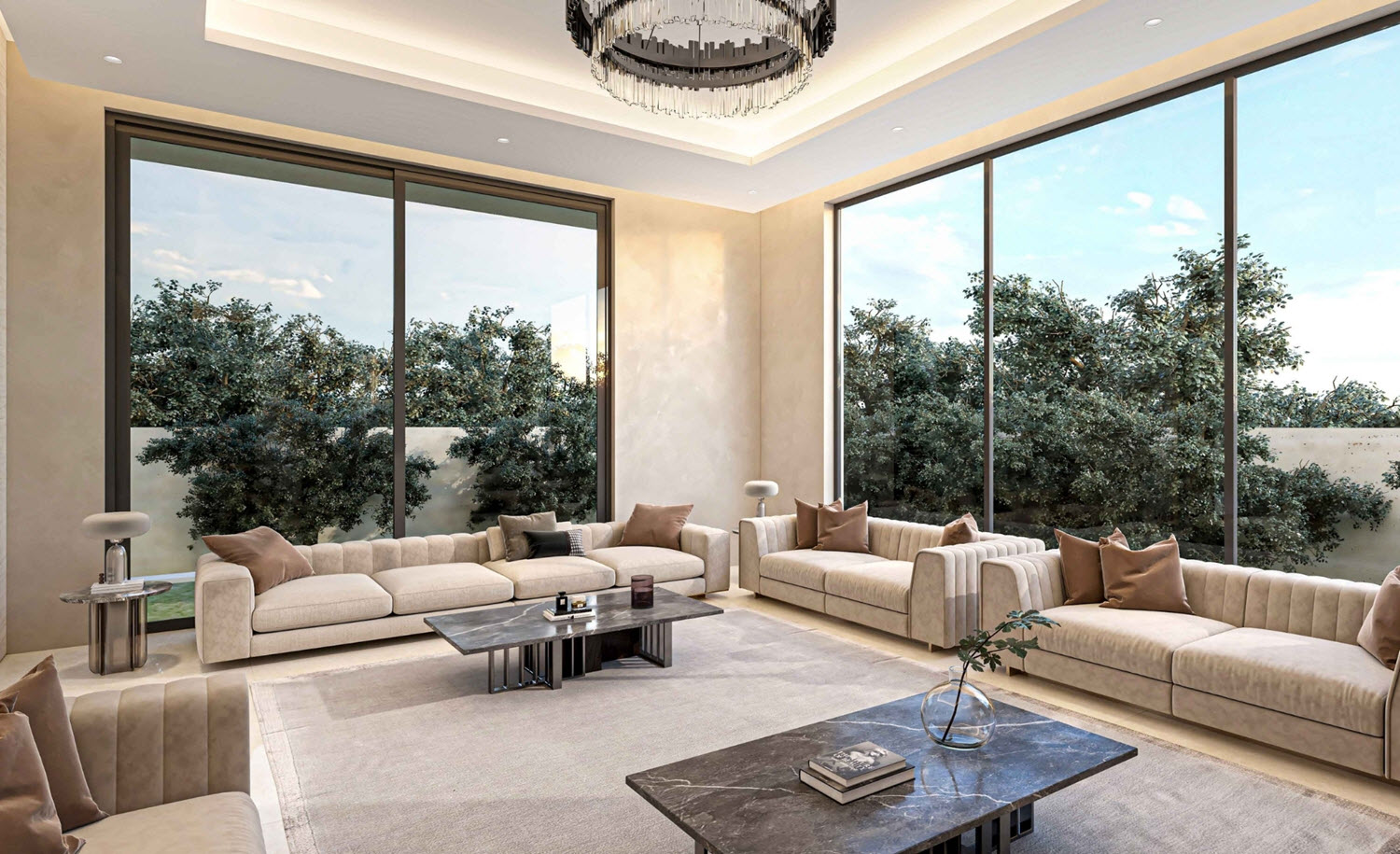
Develop schematic and detailed designs. The team creates Mood Boards – curating textures, colors, lighting, and 3D renderings. The client reviews and approves designs at key milestones.
Step 3 – Procurement
Choosing finishes, materials, and fixtures is critical for both durability and design impact.The fit-out company negotiates with subcontractors for electrical, HVAC, partitioning, finishes, furniture, etc.This stage also finalizes the project schedule.
Step 4 – The Paperwork
The fit-out vendor obtains all necessary permits and inspections (building, fire, electrical, etc.) and ensures compliance with codes.
Step 5 – Fit-Out
The fit-out team executes the work – demolition (if needed), framing partitions, installing MEP systems, ceilings, floors, walls, and finishes. Furniture and equipment are installed last.
Step 6 – Handover
Upon completion, the team conducts a final walkthrough with the client, hands over keys, as-built drawings, maintenance manuals and warranty documents. At this point the space is certified ready for occupancy.
Communication and Client Engagement
Successful turnkey projects hinge on clear, ongoing communication. Regular progress meetings and updates, weekly reports with photos and timelines, help keep the client informed and engaged. Decision milestones (e.g. design approvals, material selections) should have clear deadlines and required sign-offs to prevent delays. Clarity of scope in the contract avoids misunderstandings. Early involvement of the client in major decisions (e.g. selecting finish materials or furniture) fosters trust.
Common Pitfalls and How to Avoid Them
Undefined Scope/Budget: Vague requirements lead to change orders. Lock down the scope and budget early. Use detailed design documents. Maintain a change-order log and require client approval for any extra work.
Frequent Design Changes: Changing plans mid-project causes delays and extra cost. Finalize design choices (finishes, layout) before execution starts. Build in a formal change management process.
No Formal Contract: Relying on handshake agreements invites disputes. Always use a written, legally vetted contract detailing scope, timeline, payment terms, warranties, and a conflict resolution process.
Poor Communication: Lack of updates can erode trust. Schedule regular client meetings, provide status reports, and be transparent about issues. A unified project portal can help.
Overlapping Timelines Without Coordination: Develop a realistic, coordinated schedule.
Site Conditions: Discovering hidden problems can halt work. Conduct thorough site inspections/assessments before finalizing cost and schedule, and allow some contingency for surprises.
Neglecting Permits or Codes: Skipping permits to save time often backfires. Engage code consultants or the turnkey team’s in-house experts to secure all approvals early.
The Bottom Line
A turnkey interior fit-out isn’t just about buying a room, it’s about buying back your time. If you value a space where the design is consistent, the legalities are handled, and the quality is guaranteed, then going turnkey is the only way to fly. You provide a vision while they provide the reality for your Interior Fit-out Project.
Key Factors That Define Vita Casa’s Distinctive Approach
1. Individualized Project Planning
Each project is approached with a unique solution, avoiding repetitive design methods or standardized outputs. Rather than relying on standard questionnaires, the process emphasizes a deep understanding of spatial requirements, functional goals, and design intent. This ensures that each outcome is driven by purpose, aligning both aesthetics and usability rather than simply following trends.
2. End-to-End Transparency
Clear communication is maintained across all stages, including budgeting, timelines, and execution.
3. Integrated Design and Build Process
Combining design and execution within a single framework enhances coordination, efficiency, and overall quality. Design development focuses on balancing visual appeal with practicality. Concepts are not template-driven but are uniquely tailored, allowing each space to maintain originality while meeting specific functional needs.
4. Quality-Driven Execution
A focused approach prioritizes craftsmanship and durability over volume, ensuring consistently high standards. Execution is supported by a dedicated in-house team, ensuring consistency across all stages of the project. With strict quality control measures, clearly defined timelines, and regular progress tracking, the entire process remains structured and accountable from start to finish.
5. Detail-Oriented Delivery
Careful consideration of finishes, materials, and spatial flow results in a polished and well-resolved environment. The final handover process is carefully managed, allowing for adjustments and ensuring the space is fully complete and ready for use.
Vita Casa Interiors is characterized by a balanced integration of creativity, transparency, and execution precision. From initial concept through to final completion, the process is structured to deliver cohesive, functional, and thoughtfully designed spaces.